Shipping Seeds to Japan: Phytosanitary Certificate Requirements
Every seed shipment to Japan needs a phytosanitary certificate. That applies to a pallet of commercial seed, a few packets in a courier envelope, and a research sample. What changes from shipment to shipment is what the certificate has to say. For some species that means lab tests or parent-plant records, and those have to be arranged long before the seed ships.
Here's what Japan requires, based on USDA's export database.
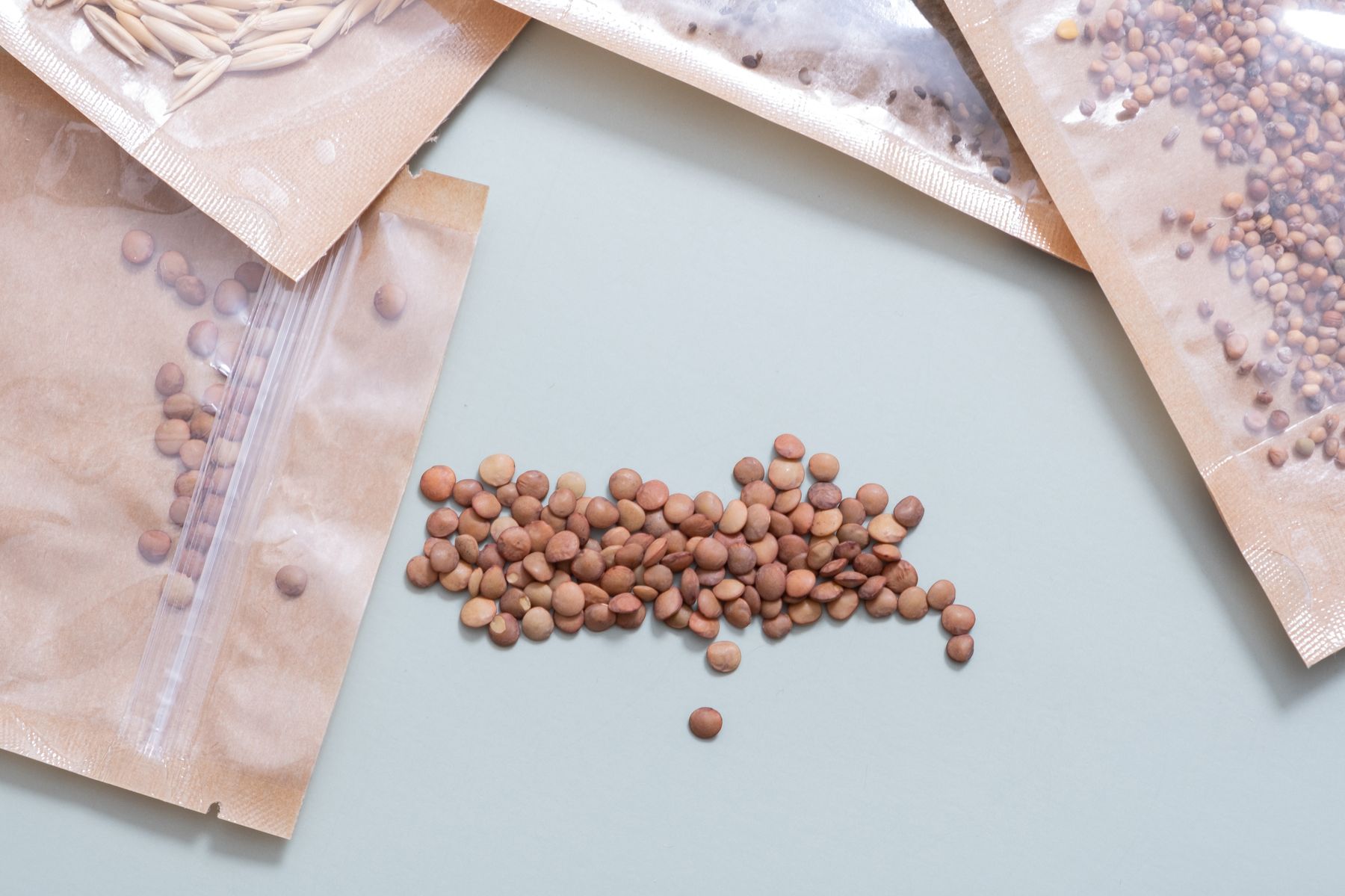
Every seed shipment needs a certificate
USDA's Phytosanitary Export Database (PExD) gives one general rule for seed going to Japan: a phytosanitary certificate is required. There is no small-quantity exemption. Japan has required a certificate for mailed and hand-carried consignments since October 2018. Since August 5, 2023, Japan has enforced the requirement across most plant products. Shipments that arrive without a required certificate are refused and are then destroyed or sent back at the shipper's cost.
The certificate is a federal phytosanitary certificate, applied for through USDA's PCIT system. In most states the inspection is done locally by the state department of agriculture or a county office working under an agreement with USDA.
Mail and courier shipments need a paper certificate
As of December 2025, every mail and express courier consignment to Japan needs a paper phytosanitary certificate. That covers USPS, FedEx, UPS and DHL. An electronic certificate alone isn't enough for these shipments.
In practice, the signed original has to be in hand before the package leaves. When you book the inspection, ask the issuing office whether you'll pick the certificate up, have it mailed, or receive it at the inspection. Then plan your ship date around that answer.
Japan tests seed on arrival
According to PExD, all seed exported to Japan is subject to blotter testing when it arrives. In a blotter test the seed is incubated so that any seed-borne fungi show up. Plan for this time when you set delivery expectations with your buyer.
On the US side, PExD also sets two contamination limits. The certifying official will refuse to issue a certificate if the seed contains:
- more than 0.05% ergot (Claviceps) sclerotia by weight, or
- more than 0.01% Sclerotinia sclerotia by weight.
Clean, well-conditioned seed lots don't usually have a problem here. Screenings and uncleaned lots can.
Seed packed in organic growing medium is prohibited.
Some species need additional declarations
This is where seed shipments to Japan go wrong. Several crops carry additional declarations (ADs). An AD is a specific statement that has to appear on the certificate, and it must be worded exactly as it appears in PExD. Each one cites an item in Annexed Table 2-2 of Japan's Plant Protection Act ordinance. The issuing official can only add an AD if the shipment actually meets it.
Examples from PExD as of November 2026:
| Seed | Additional declarations required |
|---|---|
| Tomato (Solanum lycopersicum) | 6: Annexed Table 2-2 items 24, 25, 26, 29, 36 and 41 |
| Pepper (Capsicum annuum) | 4: items 24, 26, 36 and 41 |
| Watermelon (Citrullus lanatus) | 1: item 19 |
| Lettuce, spinach, zinnia | None listed. The general seed rule applies (certificate, plus testing on arrival). |
Tomato and pepper both carry item 36. PExD gives two ways to meet it: an appropriate genetic method on the parent plants, or real-time RT-PCR testing on the seed. The parent-plant option can only come from whoever grew the seed. The RT-PCR option means lab testing of the seed lot. Either way, you need this lined up before you buy the seed, not after it's sitting in your warehouse.
The rules are set species by species. If you're shipping a mix of 30 varieties, each species has to be checked on its own. A species with no seed entry in PExD falls under the general rule.
Seed grown outside the US is a different case
A lot of retail and wholesale seed sold in the US was grown somewhere else. PExD covers requirements for US-origin commodities. Seed grown abroad and shipped on from the US is a re-export, and re-exports follow separate rules. Depending on the species and where it was grown, the original foreign certificate may need to go with the shipment. Any certified true copy of a foreign certificate must be physically stamped and signed. Some foreign-origin lots can't be certified at all.
Before you commit to a variety list, ask each supplier two things: where the seed was grown, and what testing or field-inspection records come with the lot.
Common mistakes
- Assuming a small packet doesn't need a certificate. It does, and mail shipments need a paper original.
- Buying the seed first and checking requirements second. If an AD depends on testing the parent plants, it can't be added after harvest.
- Wording an AD loosely. ADs must appear exactly as written in PExD. If the wording is wrong, the certificate can be rejected.
- Mixing origins. One foreign-grown lot in a mixed shipment can hold up the whole consignment.
- Filing for less than you'll ship. A certificate can't be amended upward after it's issued. File for the full quantity.
What it costs
The federal fee for a commercial certificate issued by USDA is $106. When a state or county issues the certificate through PCIT, USDA charges a $6 federal fee, and the state's own certificate and inspection fees are added on top. State fees vary widely. See our phytosanitary certificate cost guide for current state-by-state examples. Lab testing for ADs is billed separately by the lab.
Sources
- USDA APHIS, Phytosanitary Export Database (PExD), Japan: Important Notes (12/18/2025 paper certificate note; 03/14/23 enforcement note; 10/01/18 mail note; 12/19/16 additional declaration note). Country data last updated October 14, 2026.
- PExD Japan, General Requirements, Restricted Products: "Seeds" (last updated August 16, 2023).
- PExD Japan, General Requirements, Prohibited Products: "Seeds" (organic growing medium).
- PExD Japan, Commodity Summaries: Solanum lycopersicum seeds (Aug 22, 2023); Capsicum annuum seeds (Aug 22, 2023); Citrullus lanatus seeds (Mar 1, 2018).
- 7 CFR 354.3 (federal export certification fees).
Want the paperwork handled? We prepare and file phytosanitary certificate applications and export documents for US ag exporters at flat fees. Tell us what you're shipping and you'll have a quote within one business day.