Exporting Used Farm Equipment
Used tractors, combines, planters and headers are some of the most common ag exports that run into trouble at the destination. The issue is almost always the same: soil, seeds and plant debris hidden in the machine. Most countries treat a dirty machine as a biosecurity risk, and the importer pays to fix it.
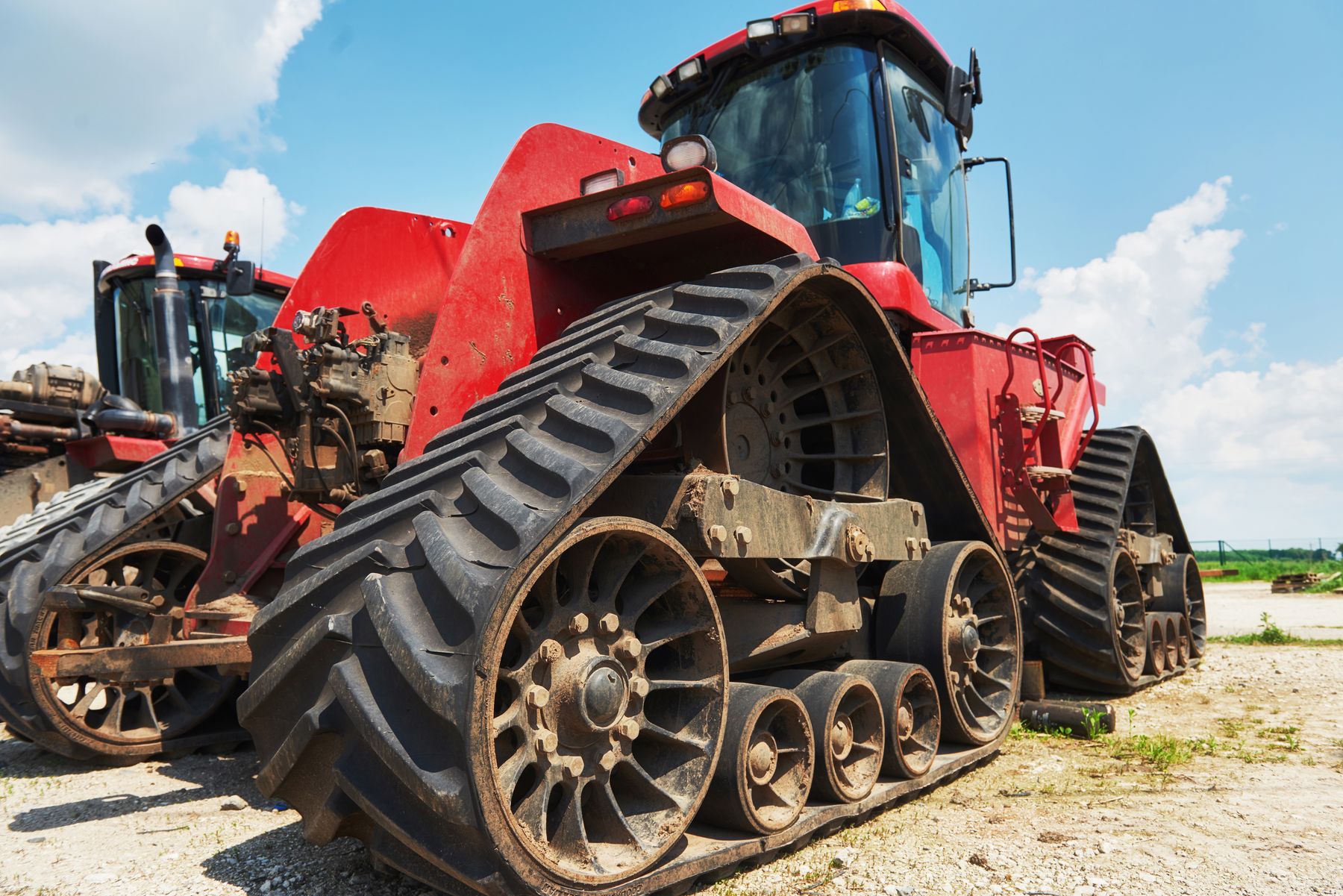
The rule almost everywhere: clean means clean
Countries differ on paperwork, but they agree on the standard. The machine has to arrive free of soil, seeds and plant material, including inside it. Combines and harvesters are the hardest. A machine that looks clean on the outside often has residue in the threshing area, straw walkers, sieves and screens.
Japan
Since April 1, 2023, used agricultural machinery entering Japan needs a phytosanitary certificate from the exporting country. It must carry this additional declaration:
"Fulfills item 15 of the Annexed Table 1-2 of the Ordinance for Enforcement of the Plant Protection Act (MAF Ordinance No73/1950)."
That item requires the machinery to be cleaned and free of soil and plant debris (including seeds) by inspection before export. It covers tractors, harvesting machinery and soil preparation equipment. Without the certificate, Japan won't allow the import. If soil or residue is found at inspection, the machine has to be cleaned, sent back or destroyed. Japan's plant protection service specifically asks exporters to wash axles, undersides and engine compartments.
Australia
All used machinery must arrive free of biosecurity risk material. It's declared and inspected on arrival. Machines with light contamination are cleaned at an approved site at the importer's cost. Heavily contaminated machinery may be ordered out of Australia at the owner's or importer's expense.
Australia also runs seasonal brown marmorated stink bug measures that can require treatment of machinery shipped from the US between September 1 and April 30. Check the current season's rules before booking.
New Zealand
Farm machinery is "targeted machinery" under New Zealand's import health standard. It must arrive clean and either be managed under an approved system or come with a cleaning certificate confirming it was cleaned inside and out, including disassembly where needed. That certificate goes to New Zealand's Ministry for Primary Industries before arrival. Tolerances are tight: no seeds, no more than 20 grams of soil, no more than 5 pieces of plant debris. Seasonal stink bug treatment can also apply.
Canada
Canada prohibits imports of items contaminated with soil from all countries. Machinery is inspected at the first point of entry, and contaminated equipment can be refused entry, ordered removed or disposed of at the owner's cost.
How the US phytosanitary certificate works for machinery
USDA considers used agricultural machinery eligible for a federal phytosanitary certificate when the destination requires one. An officer inspects the machine for soil, pests and plant debris. If it's dirty, you're offered the chance to clean it and have it reinspected. If it can't be brought into compliance, the officer won't certify it. A certificate has to be issued within 30 days of the inspection.
Practical steps
- Check the destination's current requirements for your machine type before you sell or book freight.
- Clean it properly: pressure wash, then open it up. Plan for partial disassembly on combines and headers.
- Schedule the inspection after cleaning and before loading, while the whole machine is still reachable.
- Keep it clean until it ships. Don't park a washed machine in a muddy lot.
- Line up the paperwork (phytosanitary certificate, any cleaning certificate, treatment certificate) before the ship date.
We coordinate the phytosanitary certificate, inspection scheduling and any required treatment with a licensed provider. Tell us about your machine.
Want the paperwork handled? We prepare and file phytosanitary certificate applications and export documents for US ag exporters at flat fees. Tell us what you're shipping and you'll have a quote within one business day.
Sources: Japan MAFF Plant Protection Station, used agricultural machinery import requirements and Annexed Table 1-2 (maff.go.jp/pps); Australian Department of Agriculture, Fisheries and Forestry, Used machinery cleanliness (agriculture.gov.au); New Zealand MPI, Import Health Standard: Vehicles, Machinery and Parts (2021); CFIA Directive D-95-26 (5th revision, April 1, 2026); USDA APHIS Export Program Manual (2026 edition).