The ISPM 15 'Certificate': What US Exporters Need Instead
Somewhere between landing an overseas order and booking the freight, somebody — a buyer, a forwarder, a customs broker — tells you your pallets need "ISPM 15 certification." Exporters then go looking for an ISPM 15 certificate, and here is the thing nobody says plainly: there is no certificate. Here's how compliance works in the US, what it costs you if it's missing, and how it fits alongside the phytosanitary certificate your actual product may need.
What ISPM 15 covers
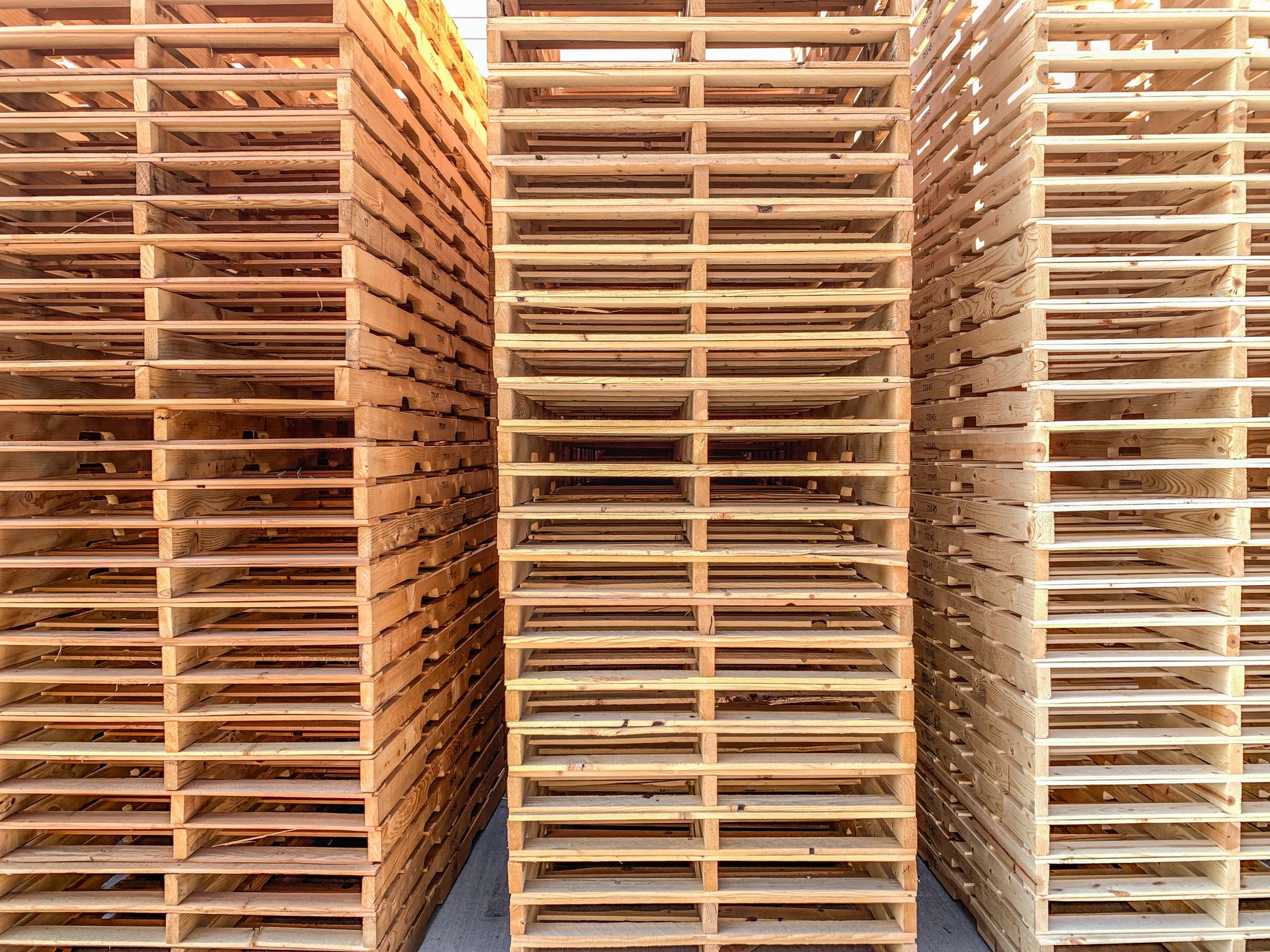
ISPM 15 is the international rule for solid-wood packaging in export shipments — pallets, crates, boxes, cable reels, and the loose bracing lumber called dunnage. Untreated wood is one of the easiest rides a forest pest can hitch, so nearly every major trading country requires wood packaging to be treated against pests before it crosses a border.
The standard applies to the packaging, not to your product. Whether you ship machine parts or almonds, if it travels on or in solid wood, that wood falls under ISPM 15.
There is no certificate — the stamp is the compliance
Compliance is shown by a mark stamped on the wood itself: the IPPC symbol alongside a country code, the number of the facility that treated the wood, and a treatment code. No document travels with the shipment for the packaging, and USDA's policy is explicit that it will not issue a phytosanitary certificate for wood packaging that's carrying goods.
In the US, the program is run by APHIS together with the American Lumber Standard Committee. Facilities enroll with an ALSC-accredited inspection agency, get audited, and earn the right to apply the mark. You cannot stamp your own pallets, and a supplier who offers unmarked "heat treated" wood without the stamp is offering you nothing a foreign inspector will accept.
How to get compliant packaging
There are three routes, and for most exporters the first is the whole answer: buy pallets or crates that already carry the ISPM 15 mark, new or used — the treatment never expires, so a legitimately marked pallet stays compliant through reuse. Manufacturers can also build packaging from accredited heat-treated lumber as a registered manufacturer, or have finished packaging treated and marked at a registered treatment facility. The program's accredited inspection agencies are listed on the ALSC website, and any of them can point you to licensed suppliers of marked pallets near you.
The accepted treatments are heat treatment — the wood core held at 56°C for at least 30 minutes, the "HT" in the stamp — and methyl bromide fumigation by certified operators. One caution on reuse: a pallet that's been repaired or rebuilt must be re-treated and re-marked, with the old mark obliterated. A stale mark on repaired wood is a violation, not a shortcut.
What doesn't need it
Processed wood is exempt: plywood, OSB, particle board, and similar manufactured panels are considered pest-free by how they're made, and so is wood 6mm thick or less. Shipments between the continental US and Canada are also exempt under a long-standing bilateral arrangement, as long as the wood packaging originated in either country and the import paperwork says so.
Everything else headed overseas needs the mark — hardwood and softwood alike.
Where shipments go wrong
When an inspector at the destination port finds unmarked or questionably marked wood packaging, the options are all bad and all at your expense: treatment at the port, destruction, or the entire container turned around. The usual culprits are unmarked pallets that came free from somebody's warehouse, repaired pallets carrying an old mark, and unmarked dunnage shoved in at loading — dunnage needs its own mark.
Marks are also read more literally than exporters expect. On the import side, the US itself resumed full enforcement of a mark-formatting rule (the ISPM 15 "hyphen" requirement) on January 1, 2026 — a sign of where enforcement generally is heading. If a mark on your packaging looks wrong, assume someone will eventually treat it as wrong.
ISPM 15 and your phytosanitary certificate are two different things
ISPM 15 covers the packaging. The phytosanitary certificate covers the commodity — the plants, seed, hay, grain, or other ag product you're selling. An export of ag goods on wooden pallets routinely needs both: marked pallets, and a phytosanitary certificate for the product, issued by a government official after inspection.
There's one exception worth knowing: when the wood packaging itself is your product — you're selling the pallets, not shipping on them — it stops being packaging and becomes a commodity, and a phytosanitary certificate can apply to it.
The short version
Your packaging needs the IPPC stamp, not a certificate: buy marked pallets from a legitimate supplier, keep repaired and unmarked wood out of your container, and remember dunnage. Your product is the part with real paperwork — and that's the part we do.
We don't treat pallets; accredited facilities do that. What we do is make sure the rest of your export package is right: we verify your destination's current requirements, prepare and file your phytosanitary certificate application, and coordinate the government inspection wherever your goods sit in the lower 48. First shipment is $50 flat, plus government fees at cost.